
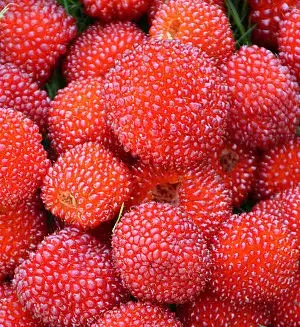
Japanese Raspberry Strawberry
Rubus illecebrosus
The Japanese strawberry-raspberry is so named because of the false belief that it is a hybrid of the two. It is also called Tibetan raspberry because of its similarity to a species native to the Himalayan region.
Estimated delivery time: 2 to 7 days, depending on the destination country
Free shipping on orders over €89 to the following countries: France, Germany, Belgium, the Netherlands, Luxembourg, Austria, and Italy.
8,14 €
Free SHIPPING for orders over €89:
(France, Germany, Belgium, the Netherlands, Luxembourg, Austria, Italy)
Rubus illecebrosus
The Japanese strawberry-raspberry is so named because of the false belief that it is a hybrid of the two. It is also called Tibetan raspberry because of its similarity to a species native to the Himalayan region. In English, it is known as balloon berry, roseberry or rosaline. It is one of the least known and most spectacular raspberries, thanks to its striking fruits and unusual leaves.
This raspberry is native to East Asia, mainly Japan, and has spread to other parts of the world, such as Russia, Eastern Europe and America, thanks to amateur cultivation. It is a very hardy shrub that requires little care and produces large, very striking edible fruits, making it ideal for growing in our orchards, gardens or terraces.
It is small in size, belonging to the ‘dwarf raspberry’ group, ideal for growing in urban gardens, as its stems only grow to a height of 50-80 cm, with small thorns and dark green leaves. It is typically used to make spring/summer hedges.
It flowers late in April/May and can adapt to high mountain areas. Its flowers are very pretty, white, aromatic and hermaphroditic, and are usually pollinated by insects such as bumblebees.
Its fruits are large, bright red, shiny and sweet with a slight sour taste. The harvest season is during August. Once autumn arrives, its stems dry out, are cut at ground level and thus spend the winter, especially in very cold areas. As soon as spring arrives, its stems will grow again.
During winter, the stems of Japanese strawberry-raspberry plants dry out completely until spring, when new stems begin to sprout!
Características
 Indirect sunlight
 Extreme resistance
 15-20 L pot
 Acid soil
 Pruning in autumn-winter
 Moderate watering
 Deciduous leaf
 Self-fertile pollination
Related products
-
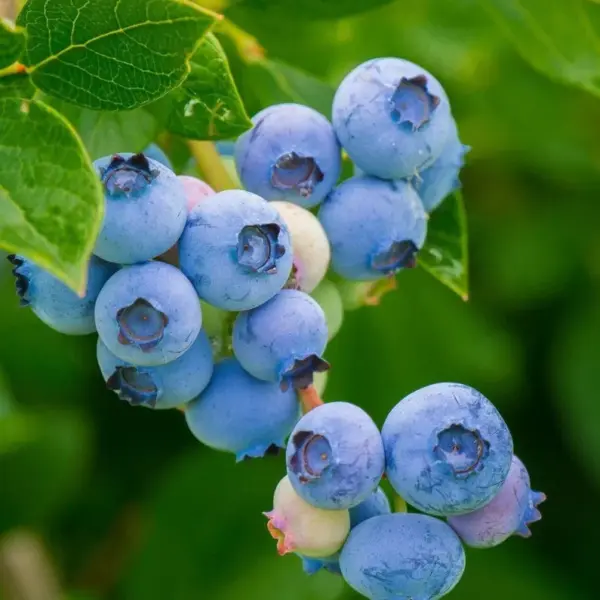
Alix Blue Blueberry
9,05 € -
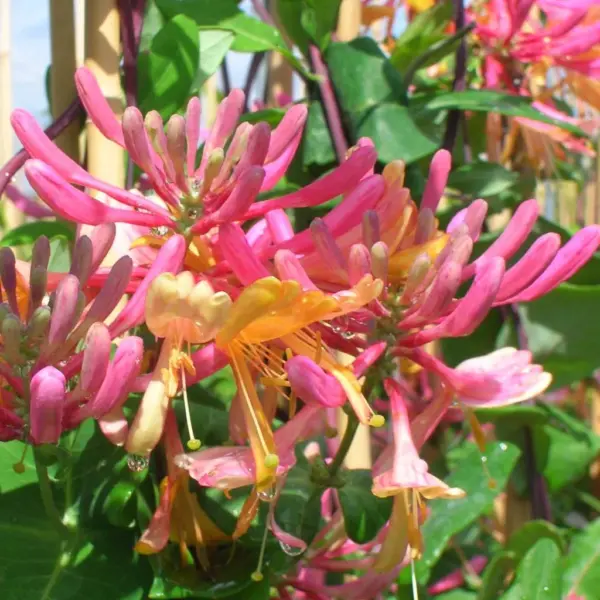
American Beauty Honeysuckle
13,59 € -
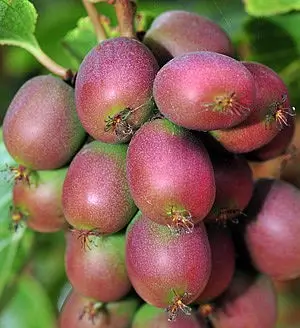
Ananasnaya Kiwiberry
12,68 € -
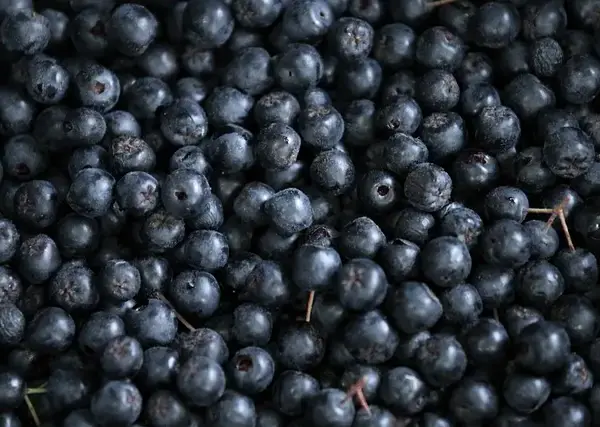
Aronia
8,14 €